Worldbuilding | September 19, 2026
Fantasy writers love to build castles, pantheons, and magic schools. Far fewer love to ask a simple, brutal question: where does the food come from? Yet the moment you answer that question honestly, your world stops being a painted backdrop and starts behaving like a real place. Economics is the invisible architecture of every society, and it applies to invented ones just as ruthlessly as it applies to ours.
Start with agriculture. A city of fifty thousand people needs a staggering amount of grain, meat, and firewood delivered on a predictable schedule. That means roads, carts, warehouses, tolls, and somebody with the authority to guard them. If your setting has a wizard academy on a mountain peak, ask who is hauling the potatoes up that mountain in winter. The answer might be a whole underclass you never considered, and that underclass is narrative gold.
Then layer in the fantastical elements. Long-lived races are a fantastic economic puzzle. If elves live eight hundred years, they accumulate eight centuries of compound interest, land holdings, and grudges. Either they own everything, or their society has developed customs and laws specifically designed to prevent that. Both options are interesting. A culture of immortals who deliberately redistribute wealth every century to avoid stagnation tells you more about their values than any creation myth.
Magic as an Economic Force
Magic is technology, and technology always distorts markets. A spell that purifies water is not just a convenience; it is a public utility that could put well-diggers out of work and make whoever controls the spellcaster enormously powerful. A resurrection ritual changes the value of life insurance, inheritance law, and assassination as a profession. If teleportation exists but is expensive, it becomes the plaything of the rich, and smuggling becomes a matter of who can afford a circle.
The best move is to pick one magical capability and follow it to its logical conclusion. If healing magic is common, battle wounds stop being fatal and wars become longer, cheaper, and more attritional. If it is rare, then kings hoard healers the way our world hoards oil. Either way, the politics of your world flow directly from the scarcity of magic, not from its flashiness.
None of this requires spreadsheets. It requires consistency. If you establish that iron is scarce, don't arm every peasant militia with a sword. If your kingdom is landlocked, its navy should not be the pride of the realm. Readers may not consciously notice these details, but they feel them. A world that obeys its own material logic feels solid underfoot, and solid ground is what lets readers relax into the stranger parts of your story.
Trade, Borders, and Conflict
Once goods move, borders matter, and once borders matter, conflict is inevitable. Tariffs, embargoes, and trade routes are story engines. A mountain pass that shortens a journey by three weeks is worth a war. A river that floods annually and fertilizes everything downstream is worth a treaty. When you sketch your map, mark the chokepoints, then ask who controls them and who resents that control.
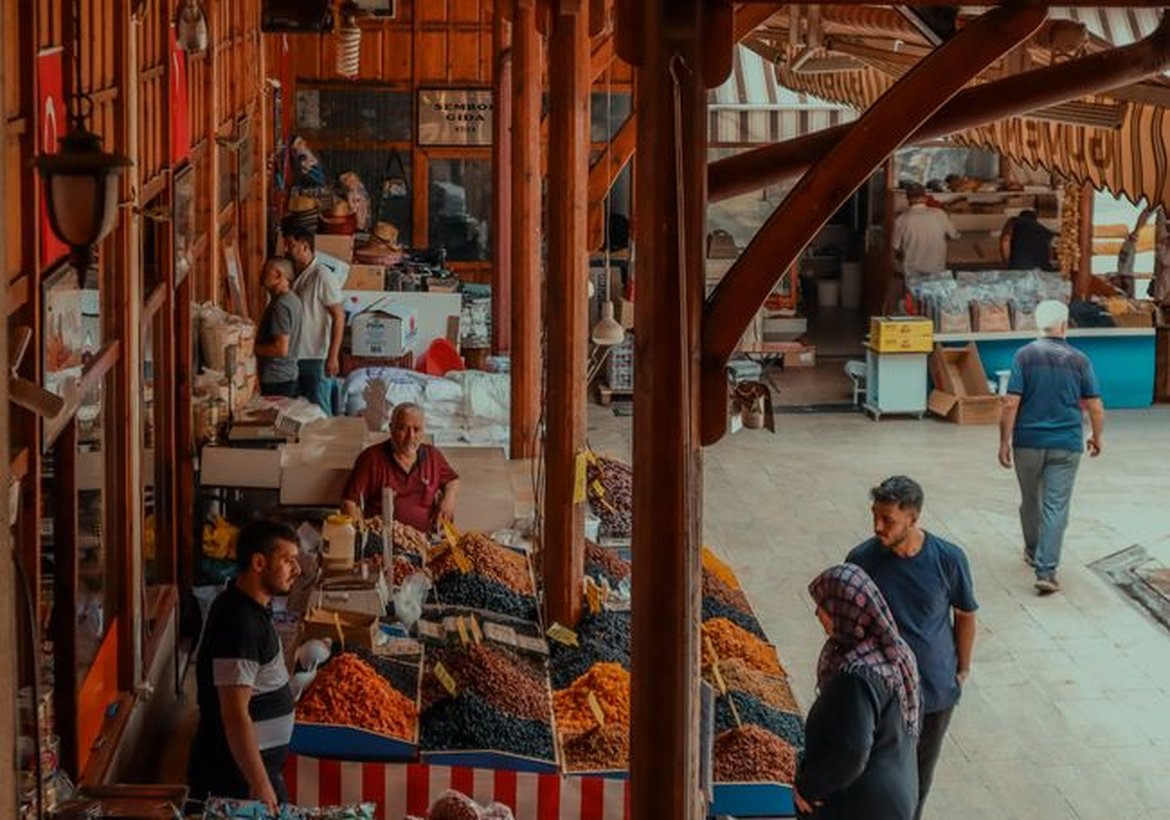
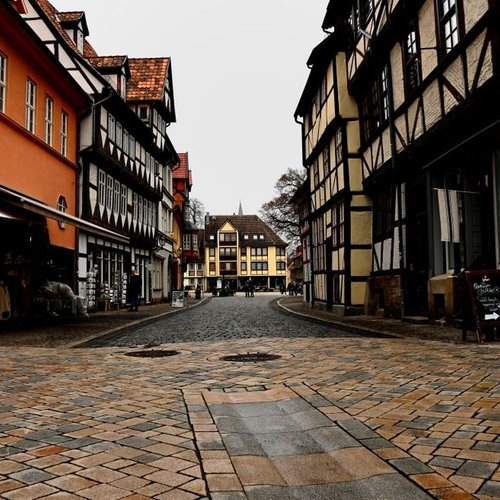
This is also where cultural exchange happens. Trade routes carry spices, languages, songs, and gods. A port city should sound like a dozen dialects arguing. A border town should have hybrid cuisine and hybrid curses. If your isolated northern kingdom has never traded with anyone, its food should be monotonous and its art should reflect that isolation.
You do not need to write a treatise. You need three or four economic facts that constrain your characters and generate friction. Decide what is scarce, decide who profits, decide who suffers, and let the rest ripple outward. Your elves will thank you, eventually, in about four hundred years.


































A magic system only feels believable when it has costs, limits, and consequences that shape the story rather than just decorating it.
Alice Rose
Oct 4, 2026 at 3:12 pm