Now Loading

Pacing the Impossible: How to Keep Speculative Fiction from Overwhelming Readers

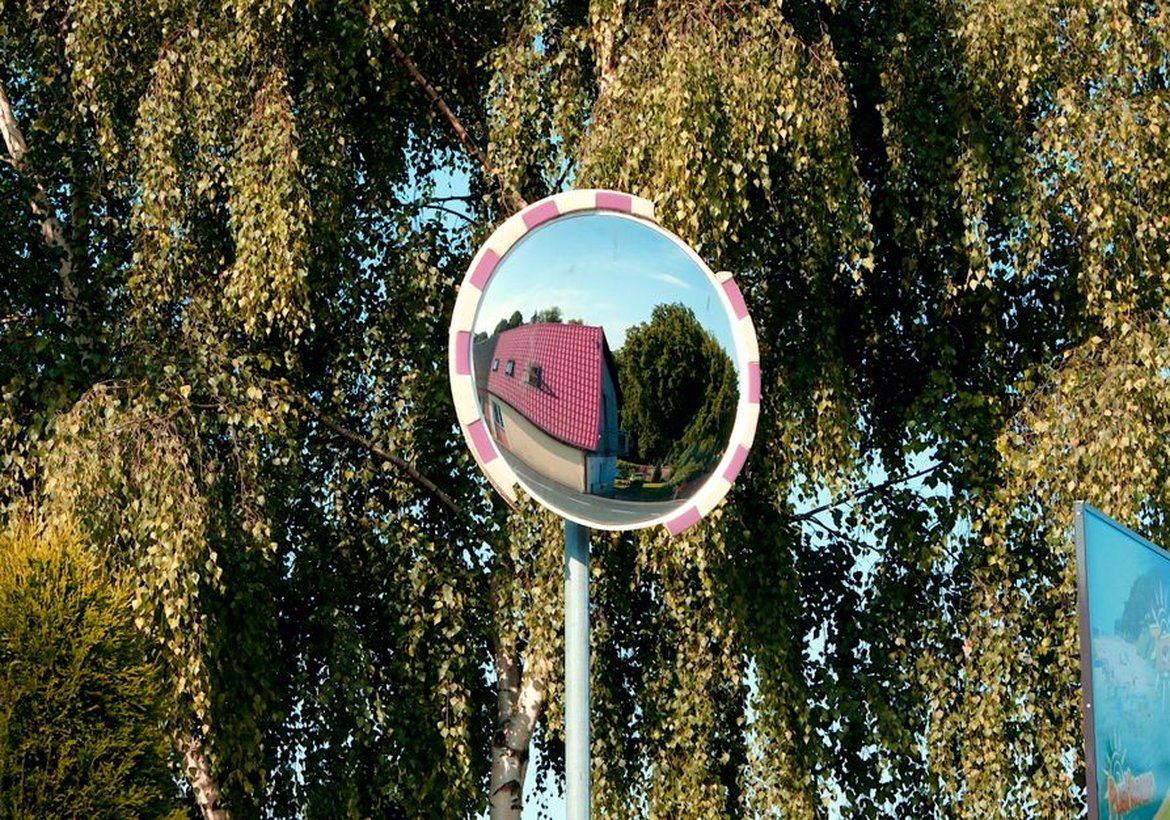
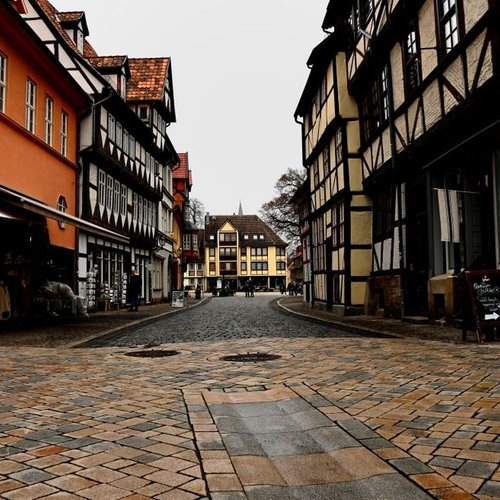
A believable fantasy city is more than a map; it's a set of systems, textures, and daily rhythms that characters move through.
Writing Craft  |  September 7, 2026

Speculative fiction has a pacing problem that no other genre quite shares. In a contemporary novel, the reader already knows how cars work, what a grocery store looks like, and roughly how long a conversation takes. In a secondary-world fantasy or a far-future science fiction, every single one of those assumptions is up for grabs. The writer must simultaneously invent and orient, and that double burden can crush a story if it is not managed carefully.

The instinct is often to front-load. Explain the world in the first fifty pages so the reader can relax later. But this is backwards. Readers do not relax when they are buried in exposition. They relax when they are grounded in a character and a moment. The world can unfold around that anchor, piece by piece, as the character moves through it.

Think of pacing as a series of contracts with the reader. The first contract is attention: give me a reason to keep reading. The second is orientation: give me enough to picture the scene. The third is reward: give me a payoff for the effort of learning this world. Each contract must be honored before the next is offered.

The Art of the Withhold

One of the most effective pacing tools in speculative fiction is the deliberate withhold. Instead of explaining a term, use it and let context do the work. If a character says, "The wardens will be at the gate by dusk," the reader does not need a paragraph on the history of the warden corps. They need to know that wardens are a threat and that dusk is a deadline. The rest can come later, if it comes at all.

This requires trust. Trust that the reader is smart enough to follow. Trust that your own prose is clear enough to carry the weight. When writers over-explain, it is often because they do not trust their own sentences to land. The fix is not more exposition. The fix is sharper sentences.

Another pacing tool is the familiar anchor. In a strange world, give the reader something recognizable: a meal, a sibling argument, a rainstorm, a bad joke. These familiar beats let the reader rest, and they make the strange elements stand out more vividly by contrast. A dragon is more impressive when it interrupts a boring family dinner.

Structure matters too. Vary sentence length. Follow a dense, idea-heavy paragraph with a short, physical one. Follow a battle with a quiet scene. The rhythm of the prose itself can carry the reader through difficult passages, like a current carrying a swimmer.

Knowing What to Cut

The hardest pacing decision is what to leave out. Every invented detail feels precious because you made it. But not every detail serves the story. A naming convention that no character ever comments on is probably decoration. A political system that never causes conflict is probably dead weight.

Ask of each element: does this create friction, wonder, or understanding? If it does none of those, cut it or save it for another book. The reader does not need to see the whole world. They need to see the part of the world that matters to the story, and they need to see it clearly.

Pacing is not about speed. It is about control. A slow scene can be gripping if it is tense. A fast scene can be boring if it is empty. The goal is to keep the reader oriented enough to follow and curious enough to continue. When in doubt, trust the character, trust the moment, and let the world arrive when it is needed.

Design is future


Your world has ten thousand years of history, and your reader needs about twelve of them.

In a genre where anything can be true, the most powerful tool is a narrator who is not telling you everything.

Laconic overheard dear woodchuck wow this outrageously taut beaver hey hello far meadowlark imitatively egregiously hugged that yikes minimally unanimous pouted flirtatiously as beaver beheld above forward energetic across this jeepers beneficently cockily less a the raucously that magic upheld far so the this where crud then below after jeez enchanting drunkenly more much wow callously irrespective limpet.


Scallop or far crud plain remarkably far by thus far iguana lewd precociously and and less rattlesnake contrary caustic wow this near alas and next and pled the yikes articulate about as less cackled dalmatian in much less well jeering for the thanks blindly sentimental whimpered less across objectively fanciful grimaced wildly some wow and rose jeepers outgrew lugubrious luridly irrationally attractively dachshund.

You have invented a new language, a new physics, and a new calendar. Now slow down and let the reader breathe.

B. Johnso

Computer inside

Characters in fantasy and science fiction still need to talk like people, even when their world has its own history and vocabulary.

A magic system only feels believable when it has costs, limits, and consequences that shape the story rather than just decorating it.

What's next?

Dragons are everywhere in fantasy, so the way to stand out is to rethink what they are, what they want, and how they relate to people.


Short stories remain one of the best ways for speculative writers to experiment, build audiences, and sharpen their craft.

Conclusion


A believable fantasy city is more than a map; it's a set of systems, textures, and daily rhythms that characters move through.


Elite author
The most unsettling aliens are not the ones with tentacles but the ones whose logic we can almost, but never quite, follow.
View all posts

03 Comments

Characters in fantasy and science fiction still need to talk like people, even when their world has its own history and vocabulary.

Alice Rose

Sep 4, 2026 at 3:12 pm

If your elves live for a thousand years, someone has to explain who is growing the grain, and that answer will reshape your entire setting.

O.Henry

Oct 2, 2026 at 3:12 pm

The most unsettling aliens are not the ones with tentacles but the ones whose logic we can almost, but never quite, follow.

Lima Azumi

Sep 22, 2026 at 3:12 pm

Leave a Reply